

Public Services
Framework Design
Toolkit Development
Beyond Personas
2024
Year
10 weeks
Duration
Service Designer
My Role
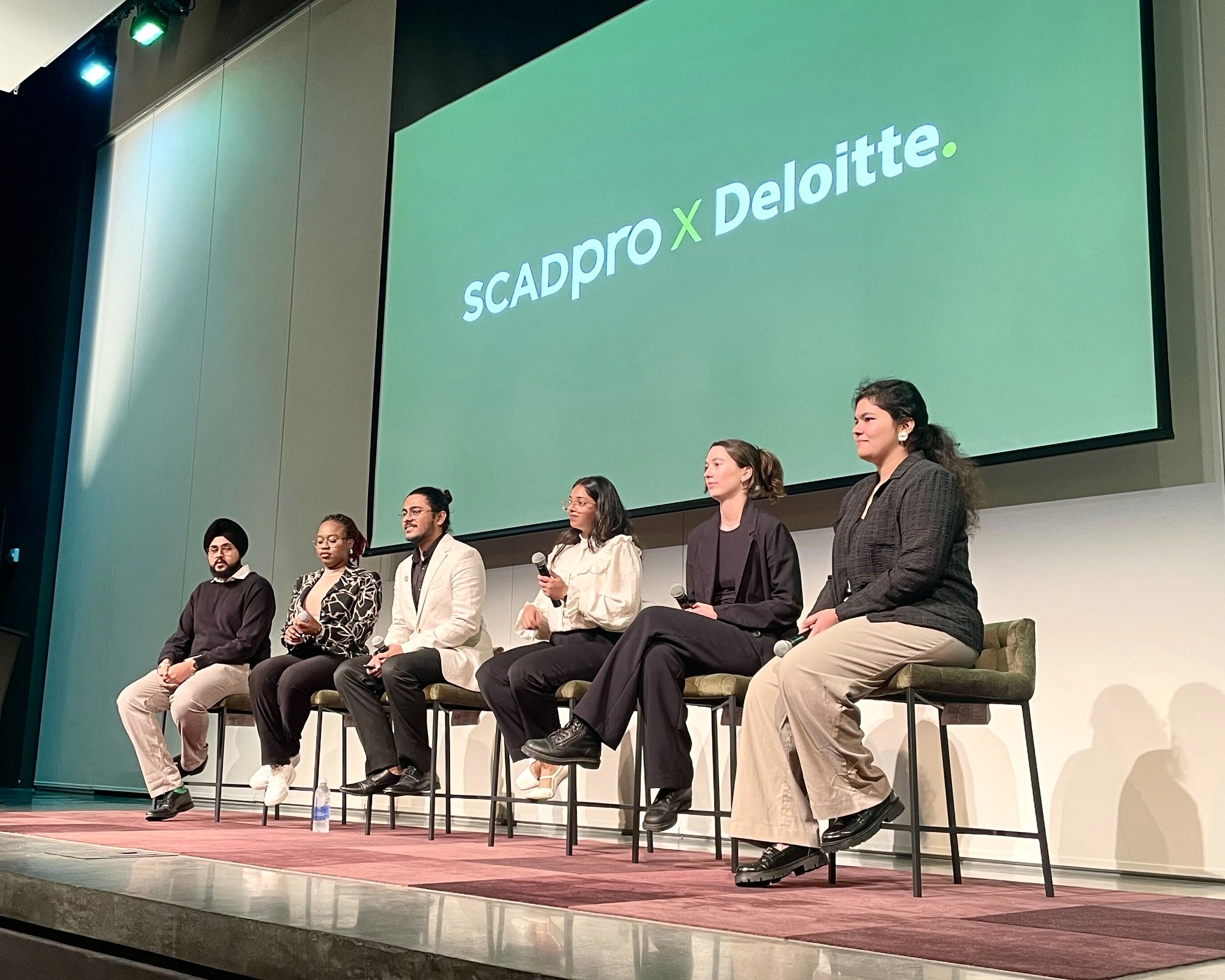
In collaboration with Deloitte Futures, our cross-disciplinary SCADpro team built a mindset-driven framework and toolkit that helps public sector teams move beyond personas to the beliefs, fears, and aspirations shaping how citizens engage with services.

The Challenge
Personas don't tell the whole story.
Public agencies have long relied on demographic profiles and archetypal personas to understand who they're designing for. But demographics don't capture why someone avoids signing up for benefits they qualify for, why a family doesn't vote even though they want to, or why a person feels shame rather than relief when accessing public transit.
Deloitte Futures asked us to explore something more nuanced: a framework that gets at the beliefs, fears, capacities, and aspirations that shape how citizens approach, trust, or avoid public services altogether.
"How might we help government agencies move beyond personas to the mindsets driving citizen behavior, and make that thinking reusable across different federal services?"
Design Brief

Personas flatten complexity
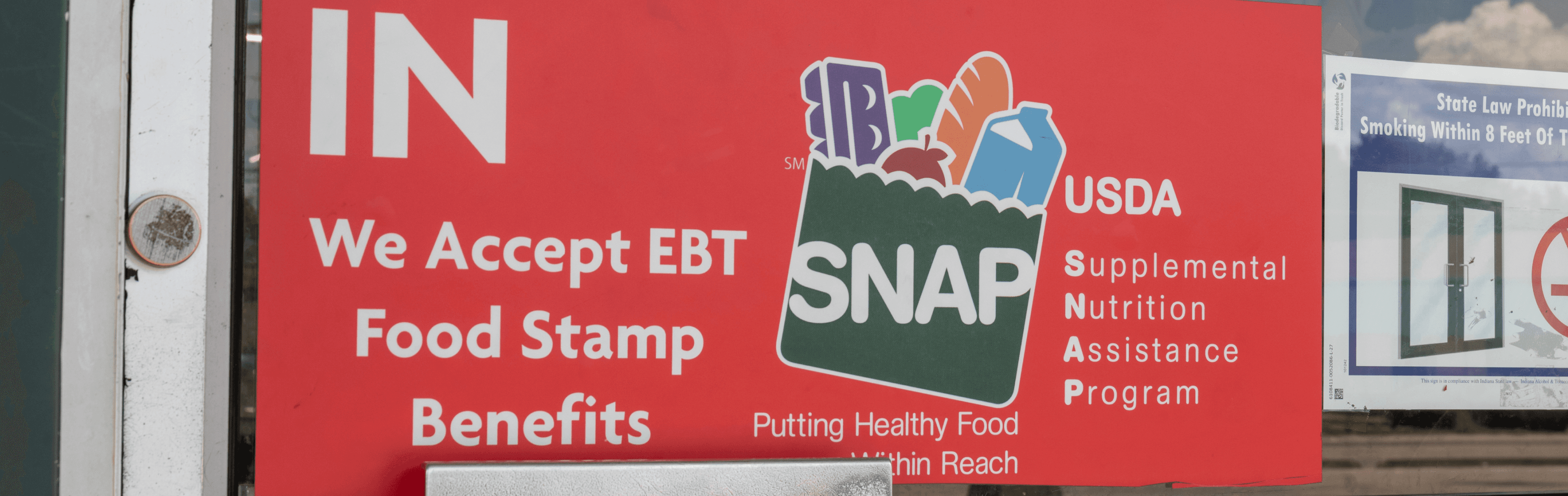
A single "SNAP recipient" persona can't capture the range of emotions, and life circumstances that affect how people access benefits.

Research doesn't transfer
Teams rebuild context for each new program.
A reusable framework could let insights from one service inform the design of another.

Demographics miss motivation
Knowing someone's age, or income, tells you little about whether they believe a service is for them, or whether they trust the institution offering it.

Practitioners need accessible tools
A framework works best if non-designers can use it. The toolkit had to be rigorous enough to be trusted and simple enough to be adopted.

Design Researcher
Structured and conducted primary and secondary research across four federal service contexts, turning interviews, surveys, and cultural probes into clear, usable insights.
Framework Co-Designer
Co-developed the Citizens Mindset Model and the process steps that guide teams from raw data to actionable mindsets — drawing on the Capabilities Approach.
Visual Designer
Designed the narrative, and visual system for the framework toolkit and process book so non-designers could understand and apply the methodology with confidence.
What I did
Three focus across research, framework design, and communication.
Our Approach
Four federal services.
One synthesized model.
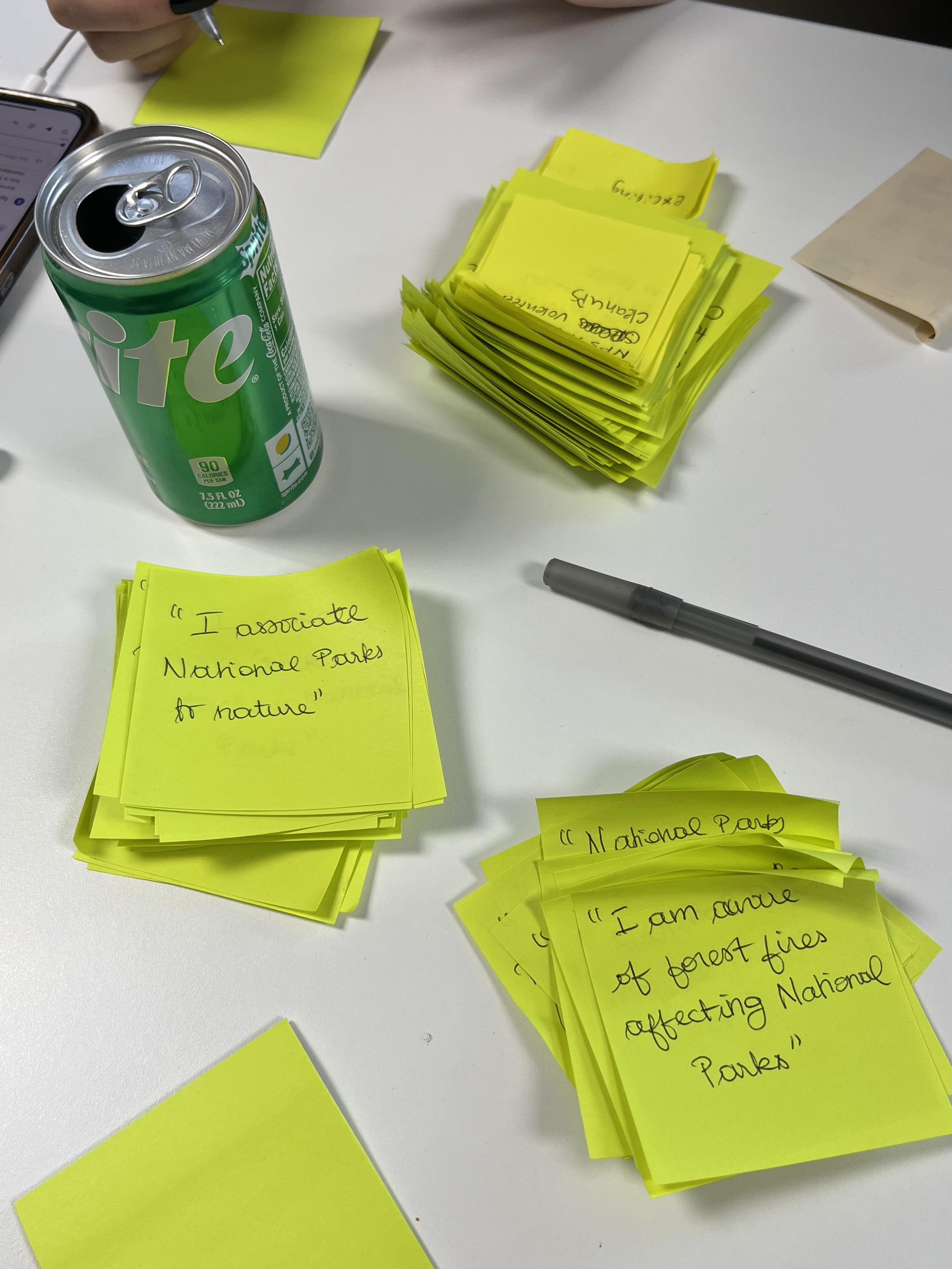
Surveys | 100+ responses
Quantitative data helped identify patterns in access, comprehension, and trust across SNAP, transit, national parks, and voting contexts.
In-Depth Interviews | 40+ sessions
Conversations with people navigating public services firsthand — including frontline workers who see where systems succeed and where they quietly fail.
Empathy Mapping
Synthesized secondary and primary research into shared understanding of what different citizens say, think, feel, and do in relation to each federal service.
Workshop Testing
Ran the prototype toolkit with an internal group and a Deloitte subject-matter expert to test how clearly teams could navigate from insight to mindset definition.
The Final Concept
Knowing
What does this citizen understand about the service, their eligibility, and their options? Where does comprehension break down?
Being
How does this citizen see themselves in relation to the service? What values and fears shape their sense of belonging or exclusion?
Doing
What does this citizen actually do? Where does intent break down into inaction and what barriers are in the way?
Citizen Mindset Model
The Citizens Mindset Model gives teams a structured way to move from raw research data to actionable mindset definitions — without collapsing into oversimplified personas. Rather than asking "who is this person," it asks "what does this person believe is possible, and why?"
The framework draws on Amartya Sen's Capabilities Approach — a philosophical lens that asks not just what people do, but what they are actually free and able to do. This gave us a richer vocabulary for describing citizens than income brackets or demographic categories ever could.
This project is protected under NDA.
Specific mindset archetypes, internal process tools, and client-facing artifacts are not shared publicly. A private walkthrough of the process book is available on request.
Reflections
What I’ve learned
This experience deepened my relationship with research. It taught me that insight is not just about collecting data, but about how we interpret and represent it. Moving beyond personas required a shift in mindset, from defining users to understanding evolving human experiences.
It reinforced that the way we frame people in design directly influences the quality and empathy of the solutions we build.
Let’s Connect
Home
About
Resume
Projects